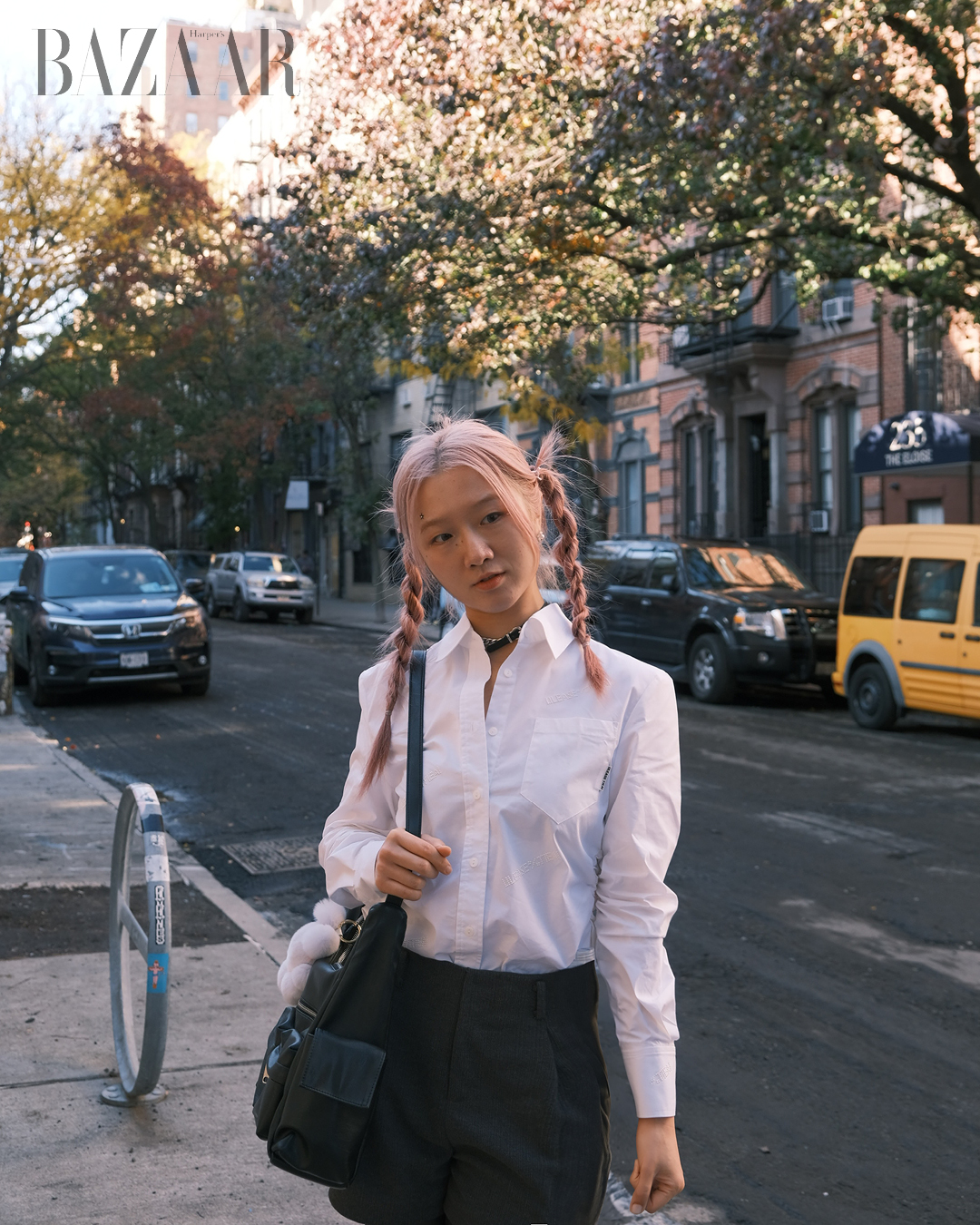
Design is often discussed through systems and solutions. In the end, it is still about people: how we feel, what we notice, and the small moments that stay with us. Based in New York, Shuhan Lei works across UX design and creative experience, playing a key UX role for major healthcare and consumer brands such as Walgreens, St. Jude Children’s Research Hospital, Mars, Inc. and Haleon, where she brings a story-driven lens to digital experience. For Shuhan, storytelling sits at the center of her practice, shaping how she thinks about emotion, behavior, and the spaces we move through every day. She works with data, but listens for what sits underneath it.
We spoke with Shuhan about how storytelling continues to shape the way she designs, and why listening is just as important as building.
Harper’s Bazaar (HBZVN): From filmmaking and philosophy to UX design, how has that journey shaped your design philosophy today?
SHUHAN LEI: My path has always centered around storytelling, whether through film, theory, or design. Philosophy trained me to sit with ambiguity, and filmmaking taught me how to shape emotion through space and time. UX became the space where I could bridge both, asking questions, crafting meaning, and translating stories into real, lived experiences.
HBZVN: How does being a story-driven person shape the way you create?
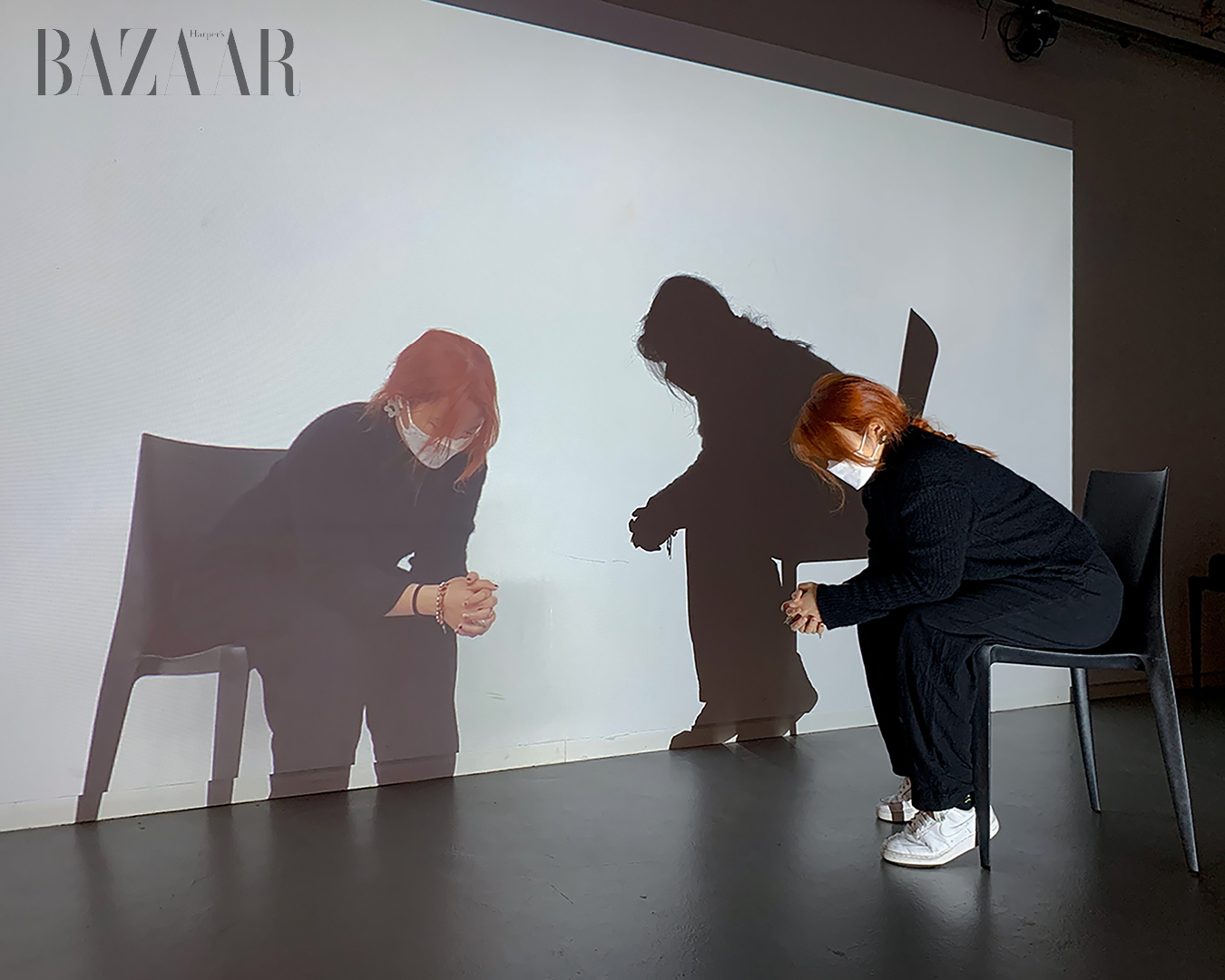
SHUHAN LEI: While I often begin with data, what I’m truly seeking are the stories behind the numbers. Stories of longing, friction, joy, or loss. I let those narratives guide my design, always aiming to create with empathy, not assumption. Space, Mirror & the Self opens a dialogue between selves across time and space. What were you hoping to explore through this performance?
This piece came from a desire to externalize the quiet, unspoken dialogue we carry within. I wanted to create a space where the self could be witnessed with love, tension, and honesty, and where vulnerability becomes something not feared, but designed for.
HBZVN: Where do you see design bridging your rational and emotional selves?
SHUHAN LEI: In those quiet in-between spaces, where the logic of systems meets the messiness of real life. Design lets me bring clarity to complexity while still honoring feeling, memory, and the things we can’t fully explain.
HBZVN: What inspired you to create Tale of Two Cities: An Adaptation?
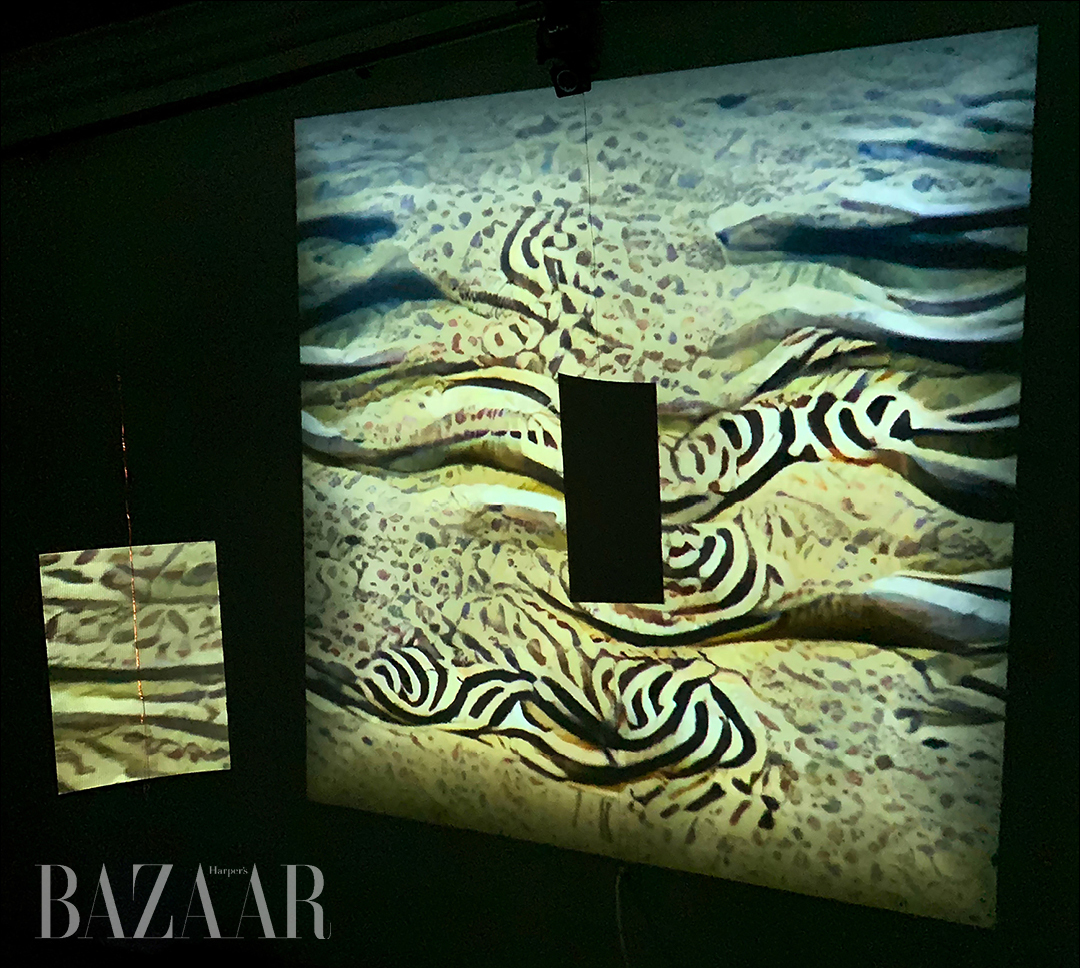
SHUHAN LEI: I was drawn to the tension in Dickens’s story, between control and chaos, tenderness and violence. Using AI and projection, I wanted to reinterpret that tension visually and explore how randomness and precision could coexist, just like the emotional landscapes we move through every day.
HBZVN: How has your time in New York shaped your sense of self and the direction of your creative work?
SHUHAN LEI: New York has a way of keeping you raw and alive. It taught me to live with contradictions and to move with intention even in chaos. That shows up in my work, in how I hold space for both structure and spontaneity, vulnerability and strength.
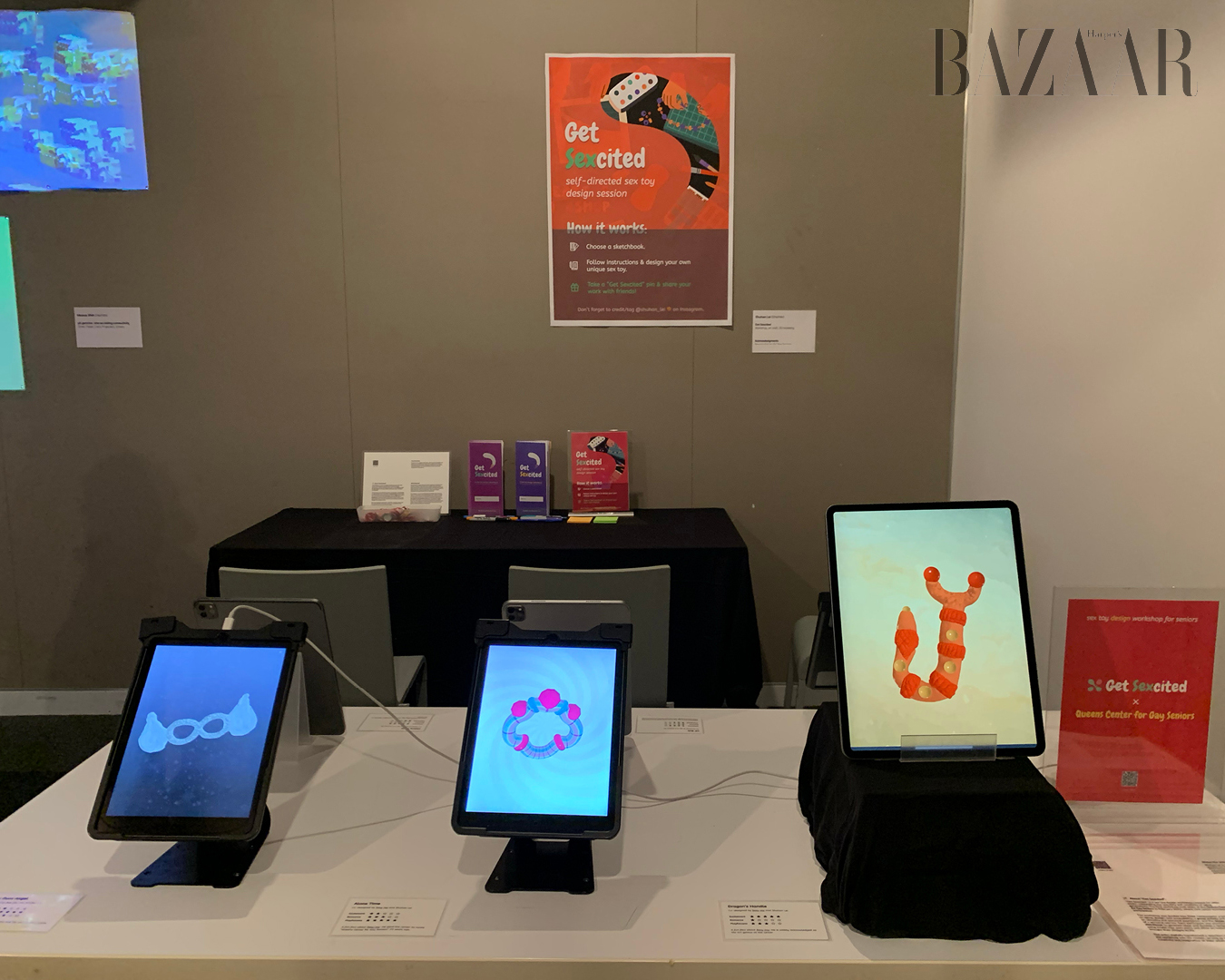
HBZVN: Get Excited invites LGBTQ seniors into conversations often absent from experience design, including aging, intimacy, and personal agency. What motivated you to create a community where these themes could be explored safely and openly?
SHUHAN LEI: I’ve always been drawn to voices that are too often overlooked. This project was a way to design with, not for. To hold space for stories of joy, aging, and desire that are rarely centered, especially in queer communities.
HBZVN: Within that community, how did the participants’ perspectives influence the way you think about experience design?
SHUHAN LEI: They reminded me that design is never neutral. It either includes or excludes. Their presence, humor, and honesty taught me to slow down, to listen more deeply, and to trust that lived experience is the most credible kind of data.
HBZVN: What advice would you give to emerging designers?
SHUHAN LEI: Stay curious. Be okay not knowing yet. The best work I’ve done came from letting go of the need to be right and instead learning how to ask better questions, and really listen to the answers.
HBZVN: What’s next for you, and what directions are you excited to explore in the future?
SHUHAN LEI: I’m excited to keep expanding the boundaries of what design can hold, blending interactivity, emotion, and storytelling across mediums. Whether in digital products or immersive spaces, I want to keep designing for presence, for tenderness, and for the stories we don’t always know how to tell.
Harper’s Bazaar Vietnam