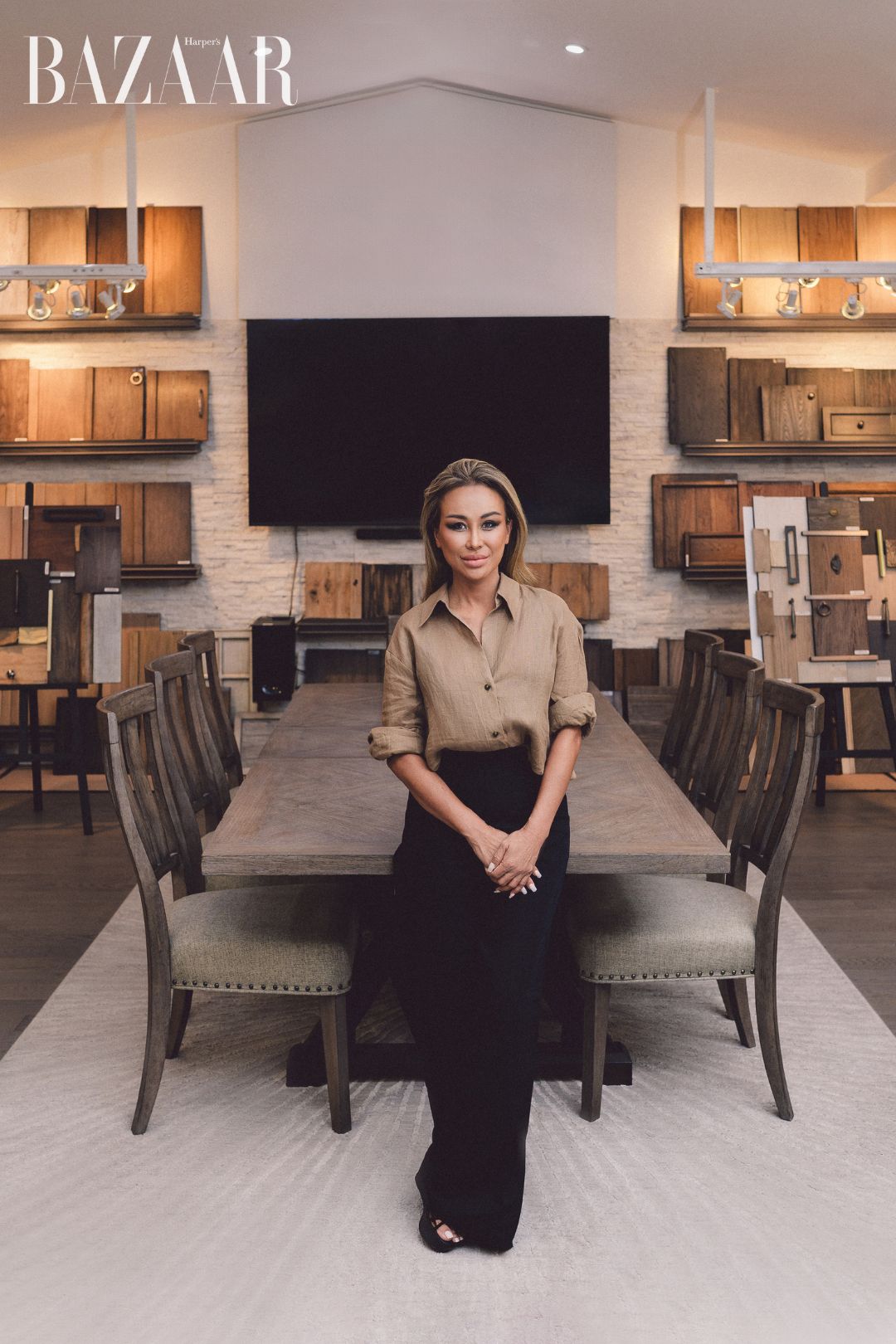
Anna Ledger, co-founder of Below2Degrees. Photo: Anastasia Sokyrka
On a personal level, when we think about sustainability, we often associate it with giving up convenience – such as replacing disposable items with reusable ones, and not everyone is willing to make that trade-off. So, what if there was a model that allowed us to pursue sustainability without compromising anything?
That is precisely the vision Below2Degrees is bringing to the hospitality industry in Vietnam and globally. Their services ensure the responsible management of furniture and materials throughout their entire lifecycle – from design to end-of-life recovery. This allows hotels to easily transfer furniture after its initial use, be free of burden of upfront investment and optimize asset management in a way that balances environmental, social, and governance (ESG) standards.
Circular economy – a concept that may still seem theoretical to many – is the very foundation of Below2Degrees’ operations. Their impact goes beyond just raising awareness of circularity. They act as strategic partners, support business on a more financially efficient path, at the same time contributing to building a more sustainable environment.
Anna Ledger, co-founder of the company, affirms that she and her team are working to shift perceptions of the circular economy – especially important in the hospitality furniture sector:
“We are addressing A SYSTEMIC PROBLEM in a massive, under-innovated industry while also opening up opportunities for businesses amid growing global pressure for both SUSTAINABILITY and FINANCIAL EFFICIENCY.”
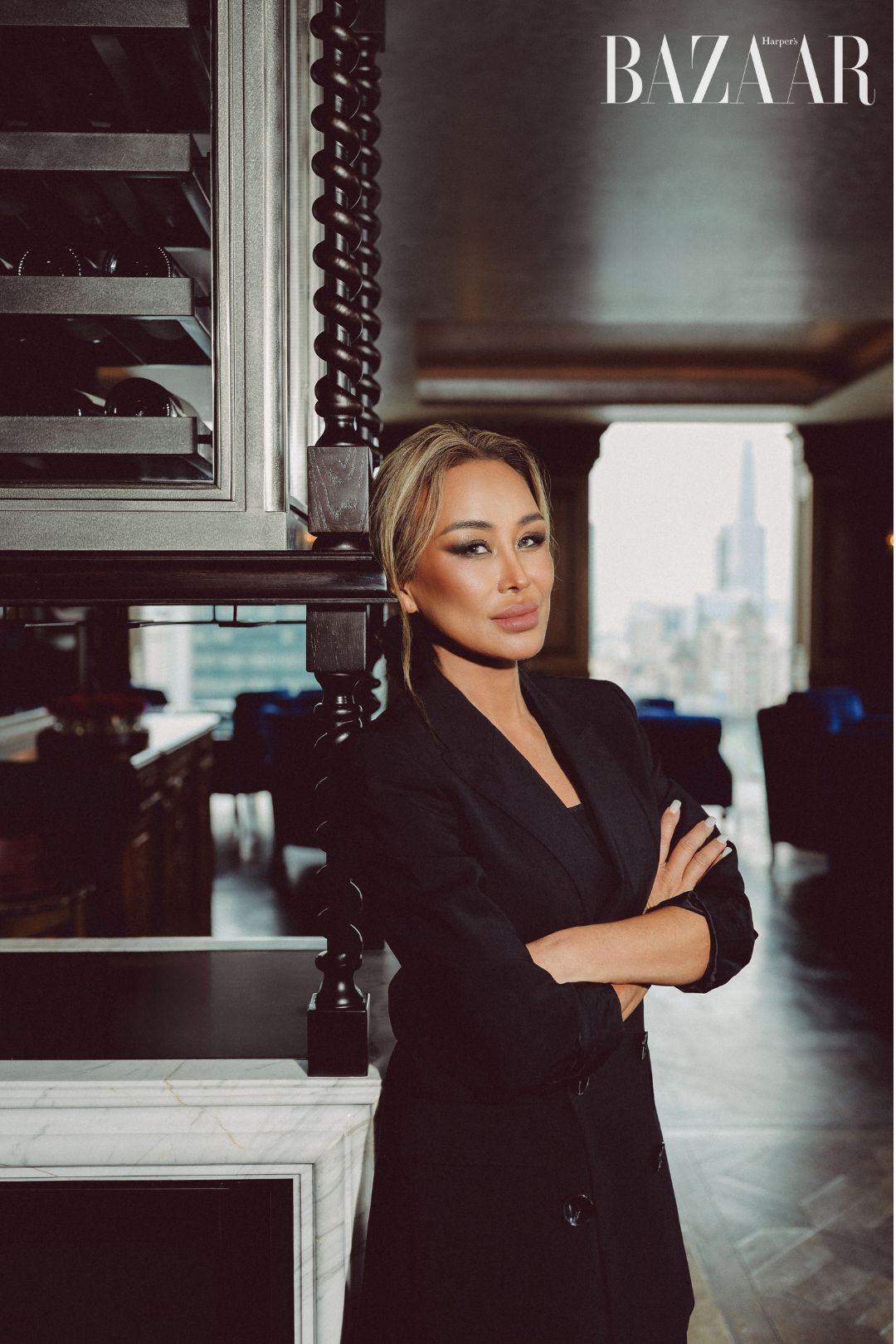
Photo: Anastasia Sokyrka
HARPER’S BAZAAR: In your view, how is the circular economy different from recycling?
ANNA LEDGER: In the circular furniture economy where Below2Degrees operates, circular economy encompasses recycling. Our business model rethinking how furniture is designed, sourced, produced, used, and retained as a material asset, ensures that nothing is wasted and everything has value beyond its first use. Recycling is only a part of the process, applied for components that are no longer viable for remanufacture.
Each piece of furniture from Below2Degrees is assigned a Passport ID for documentation, logistics, impact tracking, and lifecycle management. This allows customers to plan for furniture use and replacement more cost-effectively and with greater environmental responsibility in the long run.
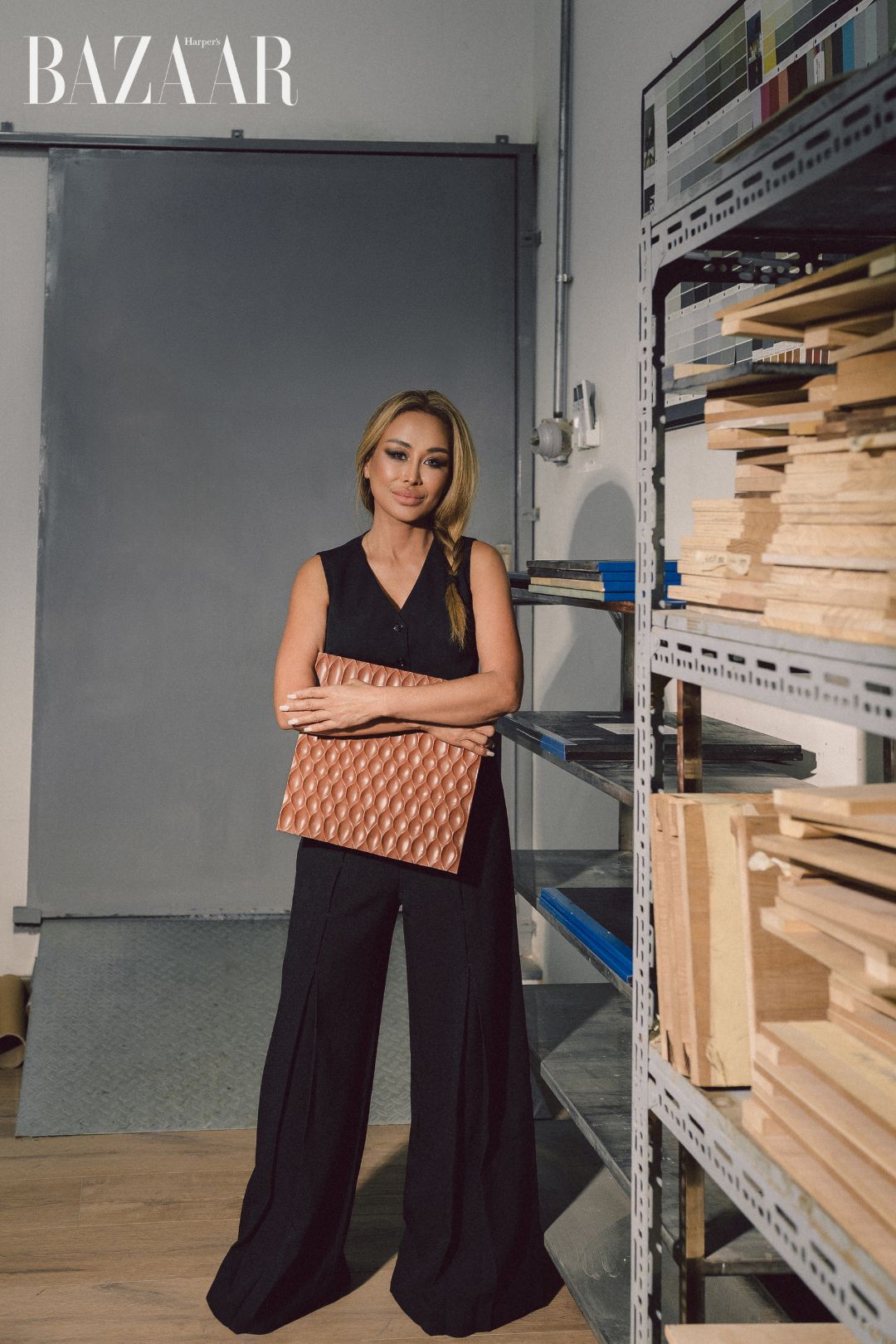
What’s Anna Ledger’s view of circular economy through Below2Degrees? Photo: Anastasia Sokyrka
HARPER’S BAZAAR: What first sparked your interest in the circular economy?
ANNA LEDGER: I started in Management Accounting, then shifted into IT at a furniture factory. Later, I opened fashion retail shops in the UK, started my own shoe brand, and acquired a small factory in Asia to produce my own designs.
Living and working across Indonesia, China, Portugal, UK, and Vietnam, working with suppliers, factories, and clients across the world, I noticed the same patterns: waste, inefficiency, and short-term thinking in how products were made, used, and discarded. Even the clients face issues – large amounts of capital expenditure spent upfront on furniture that would be replaced or underutilised within just a few years.
This operational gap is where the circular furniture economy fits in as the perfect solution, which also opens up opportunities for Below2Degrees to offer hotels an asset-light model that removes the burden of heavy upfront investment, provides full lifecycle management, and aligns with both environmental, social and governance (ESG) goals and investor priorities. In short, we aim to create a model that’s both financially smarter and environmentally regenerative.
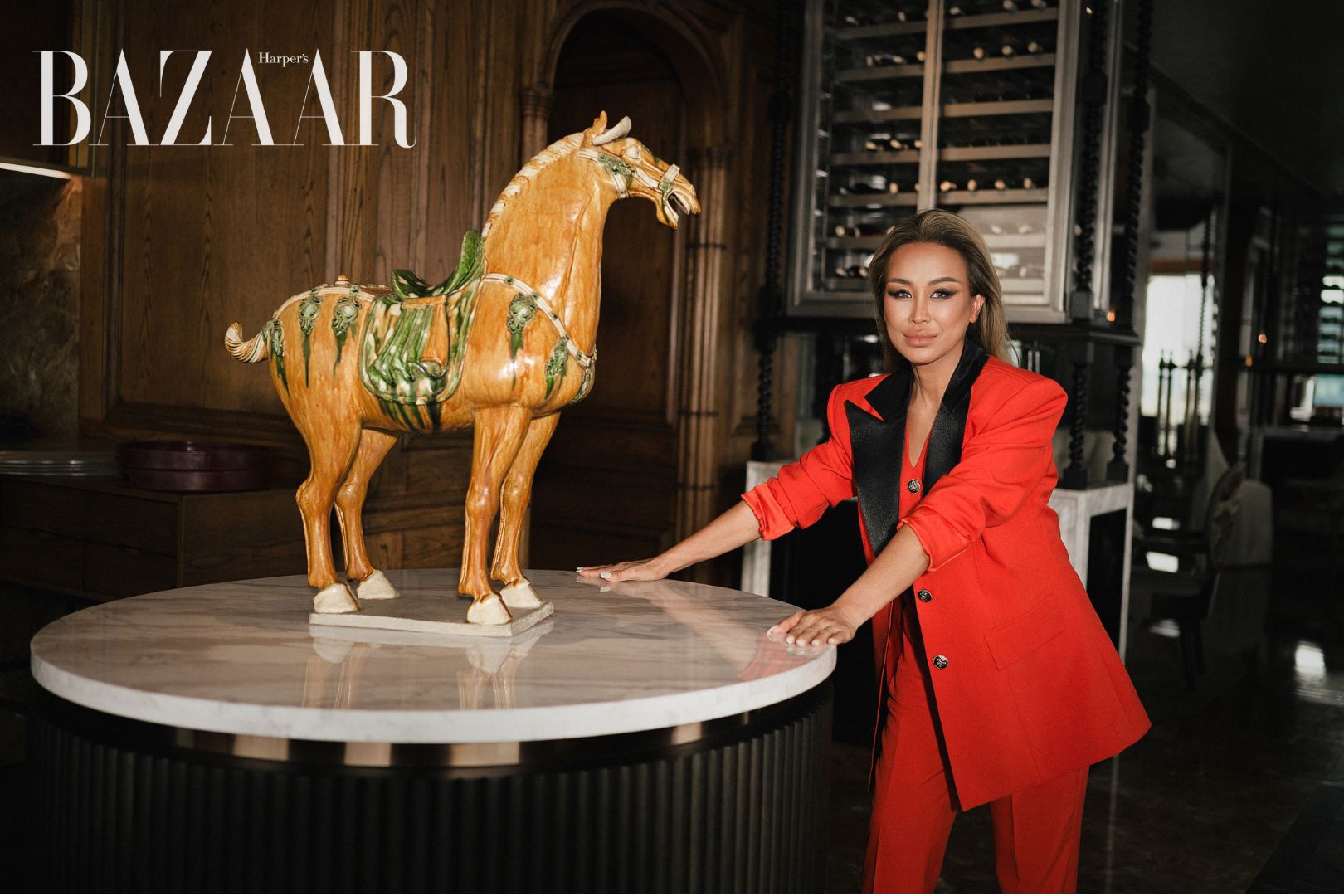
Photo: Anastasia Sokyrka
HARPER’S BAZAAR: What’s the story behind the name “Below2Degrees”?
ANNA LEDGER: The name comes from the global climate goal to keep planetary warming below 2°C. It’s a constant reminder that we’re not just in the furniture business but we’re in the business of changing systems. Every piece of furniture reused, refurbished, or remanufactured through our model contributes to that goal.
“BELOW2DEGREES is not just in the FURNITURE business but in the business of CHANGING SYSTEMS”
HARPER’S BAZAAR: Below2Degrees has offices in the U.S., UK, and Vietnam. Why did you choose Vietnam over other countries in the region?
ANNA LEDGER: Vietnam is a vital part of our operation – not just as a market, but as a hub. The country’s strong manufacturing base, design craftsmanship, and access to hospitality growth made it an ideal execution centre for our model.
That said, Below2Degrees isn’t limited to where we have offices. The financial benefits and ESG standards we offer are well-suited to both developed and emerging markets – anywhere businesses want to optimize costs and embrace sustainability.
HARPER’S BAZAAR: How does Below2Degrees create long-term value for investors, not just clients?
ANNA LEDGER: Below2Degrees holds and manages assets. Our relationship with clients is longer-term and more stable than in traditional sales models. This creates recurring revenue, predictable cash flow. Moreover, we align with current ESG-focus and sustainability-linked investment trends – hallmarks of strong investor appeal.
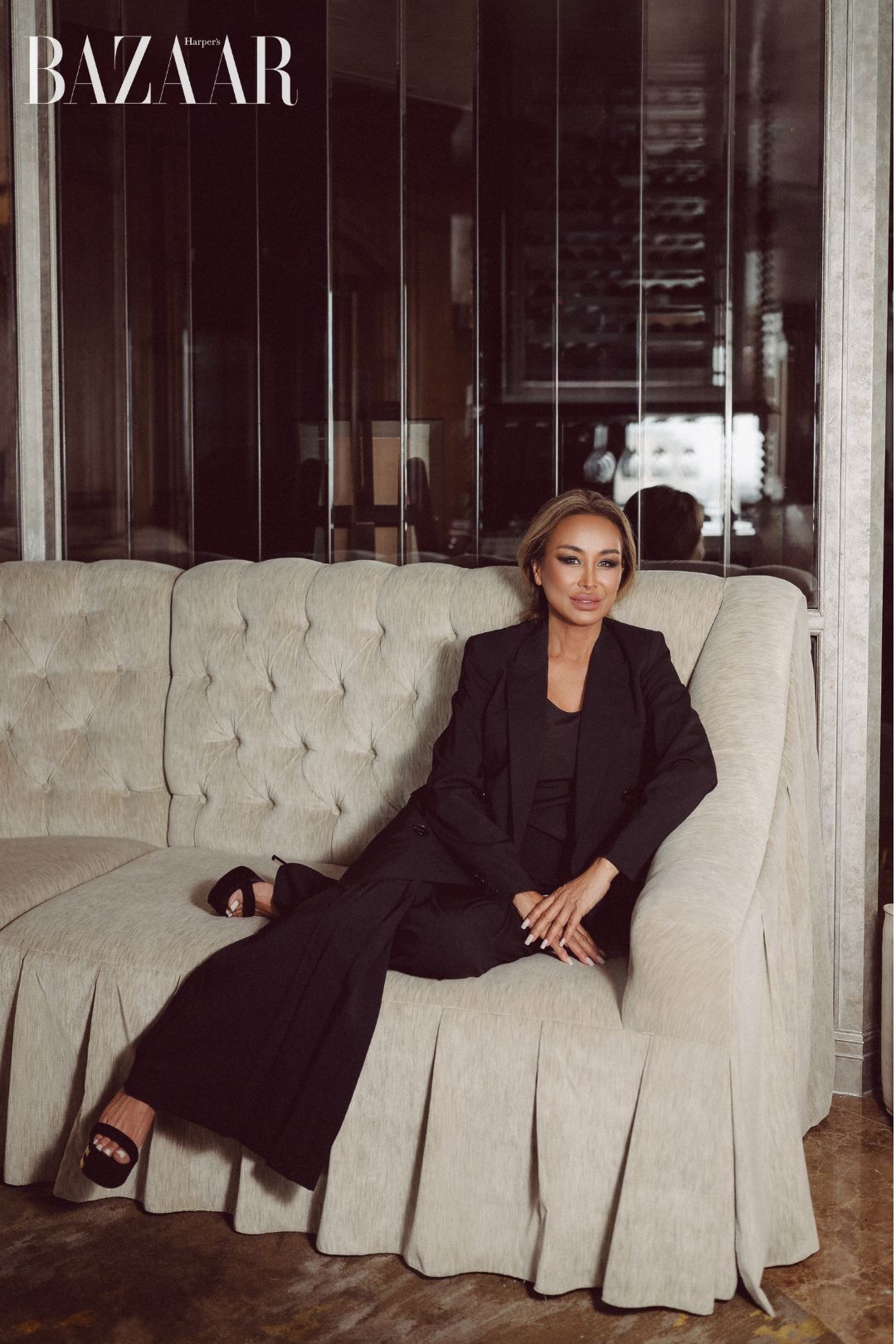
Photo: Anastasia Sokyrka
HARPER’S BAZAAR: What’s your outlook for the circular economy in Vietnam?
ANNA LEDGER: Vietnam is well-positioned to become a leader in circularity, especially in sectors like textiles, food systems, and packaging. However, the transition requires more than consumer awareness—it needs systemic change in procurement, manufacturing, and policy.
At Below2Degrees, we aim to be a partner in this transformation – offering implementation strategies and promoting circularity through a comprehensive approach. We hope Below2Degrees can serve as a blueprint for what’s possible when circular principles are applied at an institutional level.
HARPER’S BAZAAR: Is Below2Degrees planning to expand into office or home furniture?
ANNA LEDGER: At the time being, our focus is solely on hospitality. The hotel sector alone is large, complex, and in urgent need of transformation. It’s where we believe we can scale most effectively – delivering value for our community and the planet.
HARPER’S BAZAAR: So if we want to incorporate the circular economy into our lifestyle, can you share some tips with us?
ANNA LEDGER: At home, me and my family make a conscious effort to reuse, repair, and extend the life of items wherever we can. Whether it’s mending or choosing second-hand clothes or finding a new home for things we no longer use, the goal is to keep materials in circulation for as long as possible. Living circularly starts with a mindset: asking simple but essential questions before buying anything, like “Do I really need this?” or “Can this item be reused, repurposed, or passed on?”

Photo: Anastasia Sokyrka
***Creative Team***
Photographer: Anastasia Sokyrka (https://www.anastasiasokyrka.com)
Makeup & Hair: Đạt Lavender (Rita)
Fashion: Jovana Louis (@jovanalouis)
Special thanks to MGallery Collection, Chris Thompson (@ctsaigon06)
Harper’s Bazaar Vietnam